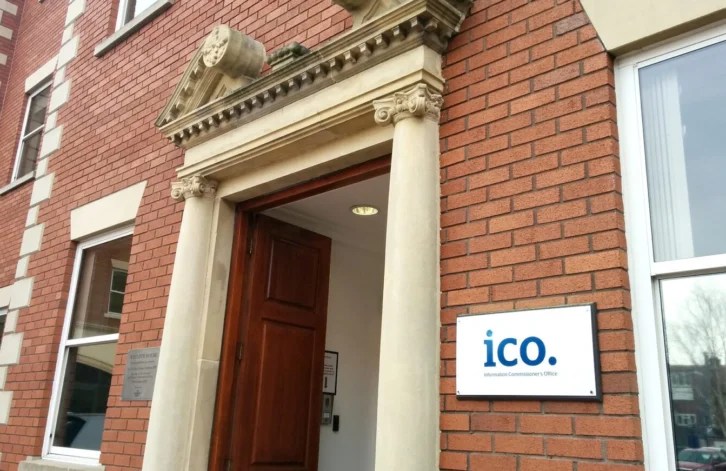
The Information Commissioner’s Office is in an unenviable position when it comes to FOI. Its funding for enforcing the law is ultimately a call by the DSIT minister of the day.
While I have not seen evidence of this being directly held over their heads, it does mean that there is an institutional incentive for the regulator not to speak out too aggressively against the government’s record on transparency.
Such a constraint perhaps explains the recent proposals uncovered from internal ICO correspondence that made suggestions on how the burden of requests could be limited for public authorities.
An excuse for kneecapping FOI that was floated by officials in the FT earlier this year was that it is too expensive, highlighting the role of AI being used to generate requests.
The ICO’s response appears to focus more on proposals that would cut the number of requests, rather than push back on the underlying principle of the argument: That FOI rights should be weaker.
Data shows there has been an increase in requests and appeals to the ICO. It is a good thing that more people can enforce their rights, aided by AI that can make it easier to enforce their rights against spurious refusals which all too often characterise government responses.
But this has also translated into more spurious appeals, which insiders say are a result of AI hallucinating non-existent case law, and which have no prospect of success but still need to be dealt with.
There is always a balance in keeping the right to information a universal one, while also ensuring those that use it for the most important reasons, such as accountability reporting by journalists, opposition activity by political parties, and research by academics or campaign groups, do not face backlogs generated by a deluge of requests from conspiracy theorists.
While many of the most pressing requests are looked at more quickly, for those that aren’t, consistent underfunding of the ICO means that there is now a seven month backlog between an appeal being accepted and issued to an ICO officer. The investigation process can take months further than that.
In practice, this means that for those that can’t make a case for expedited processing of their requests, their information rights are now weaker than they were.
These kinds of delays, I fear, are putting both DSIT and the ICO squarely in the path of a judicial review at some point, as the delays involved in the appeals process are clearly now undermining the public’s rights by the back door, potentially in breach of Article 10 of the ECHR in practice.
Limiting requests
But the focus of internal ICO correspondence disclosed to Joseph Lloyd has been brainstorming ways to limit the act further, whilst showing on the face of it little pressure on the government over the inherent value of transparency, risking undermining those rights further.
Some of these ideas might indeed cut the number of spurious requests and could be defended as part of a general overhaul of FOI, such as requiring verification of identity as is the case with SAR requests and is required for request appeals. But others would be a real setback for the public right to know.
To take just one example, a limit on five requests per authority, is simply a non-starter. It would severely impact narrowly focussed campaign groups, take, for example, cancer charities making requests to the Department for Health.
The Infected Blood campaign relied heavily on FOI to win their campaign for compensation. Such work would be far harder should such a request limit be seriously considered, marking immediate detriment to their information rights.
While the ICO told fellow FOI enthusiast Jon Baines this document was the sharing of internal ideas, the direction of travel towards weaker information rights is gaining momentum. That would hurt us all through poorer government and more wasted taxes as a result of bad policy not given proper scrutiny.
An overhaul of FOI is needed, to allow for modern means of communication to be better covered, to allow for actual costs to be imposed if individuals actively destroy records to avoid disclosure, as well as to empower the public to fight spurious refusals.
That review could involve some targeted steps to prevent convinced conspiracy theorists from wasting everyone’s time asking every government body if the moon is made of cheese.
But the ICO should be focussed on making this positive case, rather than providing the government with the intellectual cover to crack down on the act.
Picture credit: ICO


Leave a comment